Case: Äkta Vara - System A 2.0
Äkta Vara takes control of its next chapter
After just 14 days of work, the comment from Äkta Vara was: “It’s already better than what we had before.”
The project is still at an early stage, but the reaction captures what the collaboration is about: enabling the people who know the business to shape a system that makes their everyday work easier—and showing how fast development can move when domain knowledge, experienced system development, and AI meet.
For Äkta Vara, the journey begins in a familiar situation for many organizations: a business-critical system that is still used every day, but that stopped being developed a long time ago.
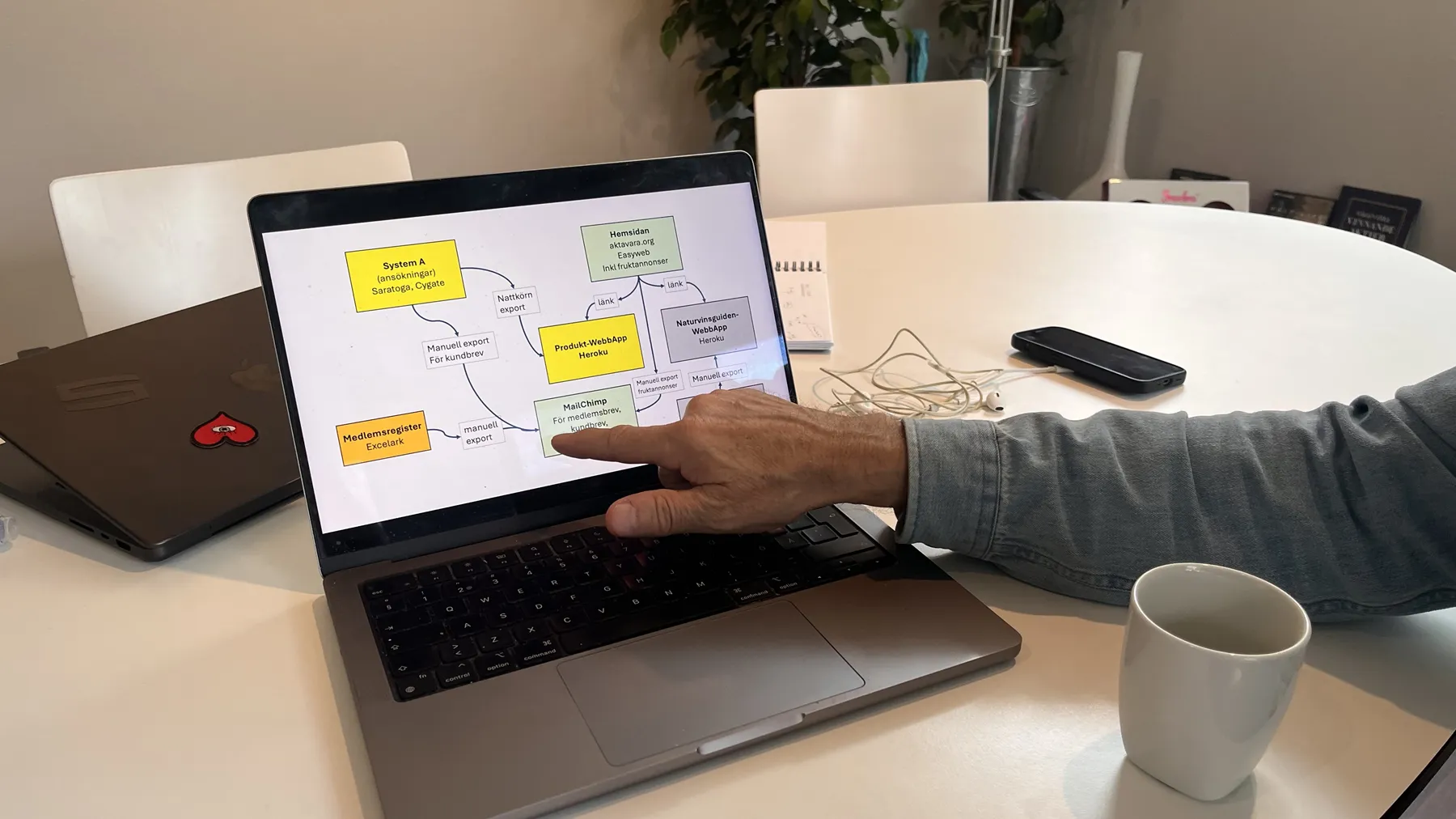
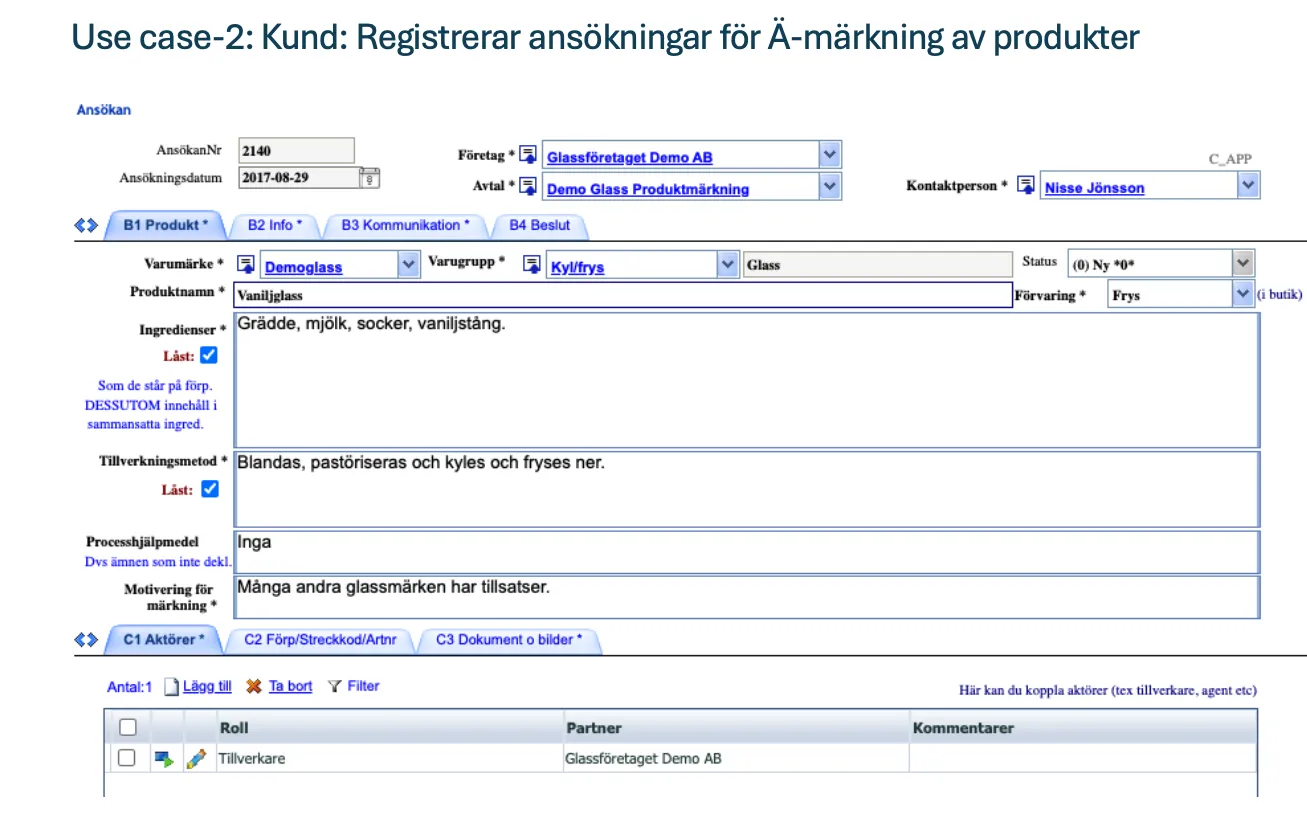
In System A, companies, products, and ingredients that form the basis for work with Äkta Vara’s labeling are managed. There is information and relationships the organization depends on. At the same time, the customer has not been able to change the system since around 2014. Meanwhile, needs have continued to grow.
When the system hasn’t been able to keep up, the work has had to find other paths. Annual audits have partly been handled manually in Google Sheets. Data has been exported to create invoicing documentation. Information about approved products has had to be passed on to separate solutions on the web.
Each such step requires time, checks, and knowledge from employees. Together, they create a day-to-day reality where far too much of the work is about keeping the information together.
Äkta Vara wanted a functioning end-to-end support for how the organization works today—and the ability to continue developing it going forward.
Sphinxly was already the supplier of Äkta Vara’s website. That gave the collaboration a natural starting point and the opportunity to see the entire flow: from companies’ applications and internal processing to the products consumers encounter on the website. With a shared view of the needs, an agreed fixed price, and a step-by-step working model, the project could take shape.
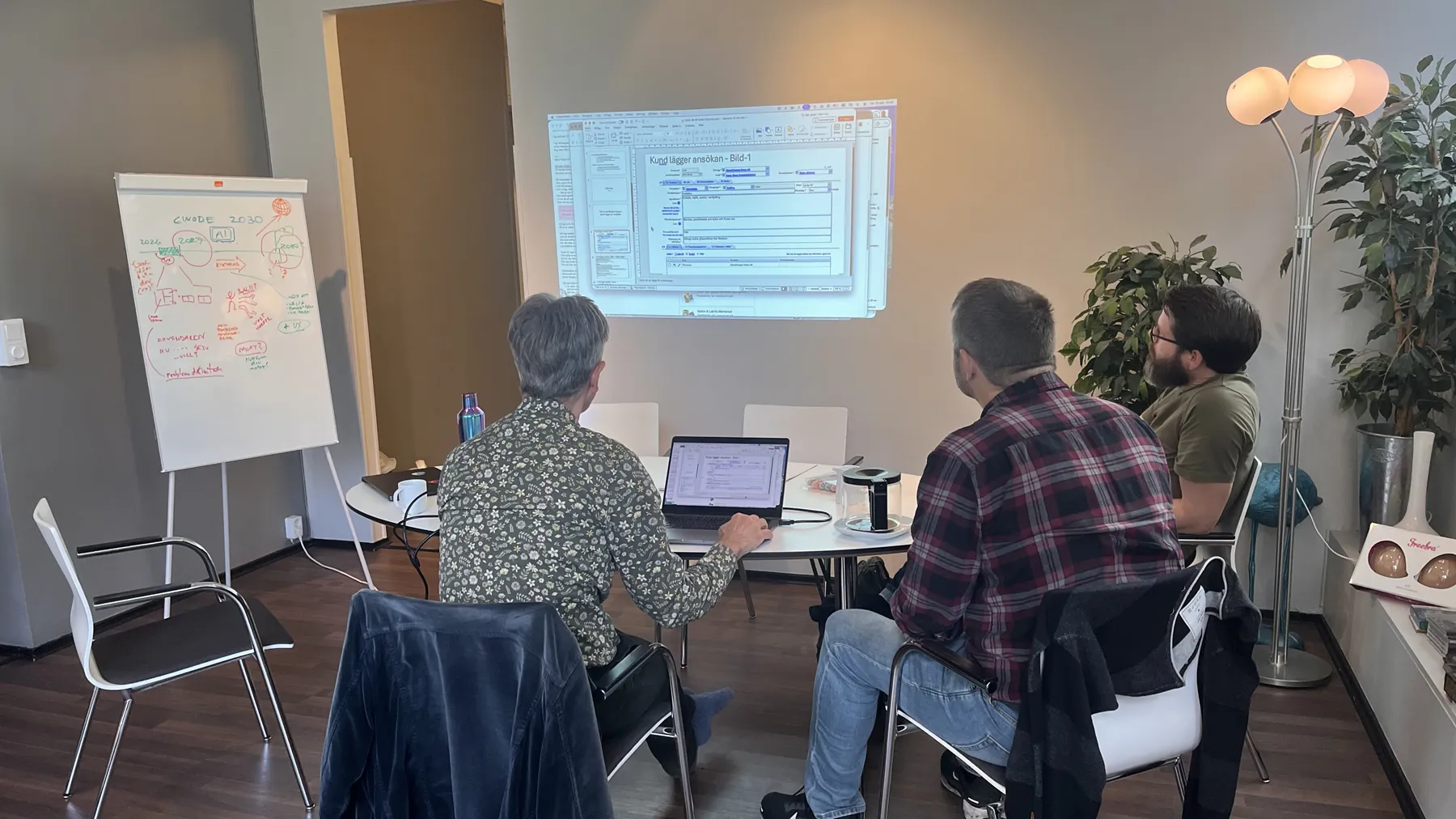
The work began with Äkta Vara documenting its existing system and processes. Together, we went through what needed to come along, what could be simplified, and which work steps outside the system should now have an obvious place within it.
That knowledge is the project’s most important raw material. Behind every field and function are experiences, assessments, and routines built up over many years. Our task is to translate them into a clear, usable, and sustainable solution.
The project is structured in four steps:
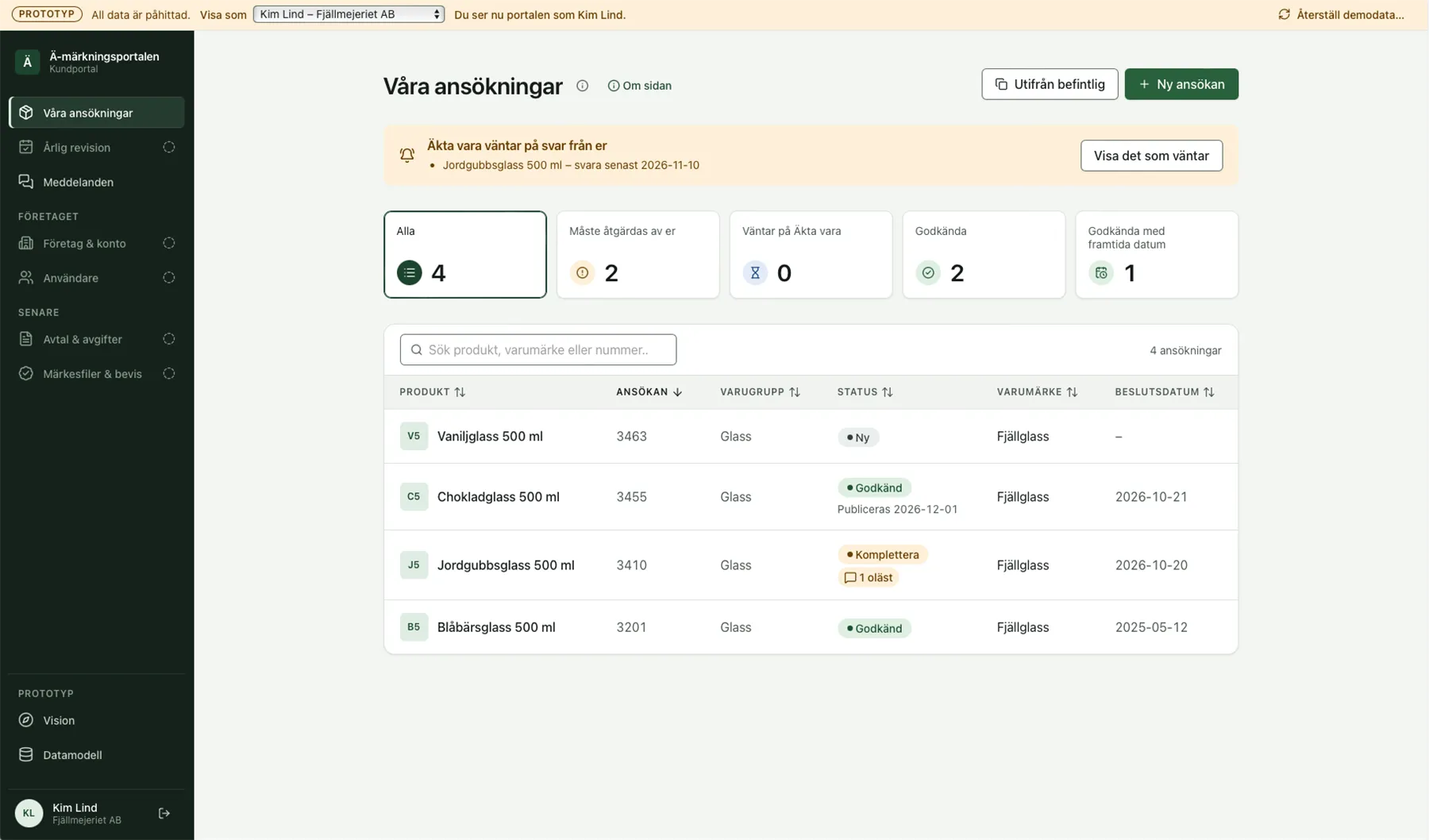
- See and try early. A clickable prototype with sample data makes it possible for Äkta Vara to test flows, review content, and provide concrete feedback as the solution takes shape.
- Build the foundation and migrate the information. Database, permissions, and import of existing data are developed and tested. The new structure is based on today’s needs and must be able to support continued development.
- Refine through use. When the customer can work in the solution, it becomes clearer which details simplify everyday work and which improvements provide the greatest value.
- Take responsibility over time. Sphinxly becomes a partner for operations and maintenance, with a clear path for continued development and the option for the customer to later take over technical maintenance.
The close collaboration means important decisions can be made based on something the customer can actually see and test. A workflow that seems obvious on paper may need to be adjusted when it’s used. A small change at the right step can save many recurring manual actions.
This is where AI makes a big difference in the development work. We can more quickly turn ideas into concrete interfaces, try alternatives, and process feedback. Sphinxly’s experience in architecture, security, and usability guides how the solution is built and quality-assured. It shortens the path between need, testing, and improvement.
The goal for the new System A is concrete: companies should be able to update their products more easily and carry out the annual audit directly in the system. Äkta Vara should gain better oversight of applications, assessments, and documentation for billing. Approved products should be able to be displayed and searched on the website through a cohesive connection to the system’s information.
Ingredient management also gets a clearer structure. A register with rules and alternative names will reduce recurring manual work and help case handlers see what needs closer assessment. This also creates conditions for future AI support, while decisions about the labeling remain with Äkta Vara.
A central part of the setup is the customer’s control over their investment. Äkta Vara should be able to own the custom-built solution and its data, with the option to take over the code and let someone else manage it in the future. Sphinxly provides continuity and technical responsibility for as long as the customer wants our help.
The hope is to free up more time for the organization’s core work and make continued development a natural possibility. When new needs arise, there should be a way forward.
The comment after 14 days is an early confirmation of that direction. The work continues, but the customer has already been able to see and influence something that has long been difficult to change.
Has your organization also outgrown its system?
Maybe the information is already there, but the work around it requires more and more spreadsheets, exports, and manual steps. We help you understand what needs to change and how a solution on your terms can take shape—with rapid development, long-term responsibility, and control over what you invest in.

Robert Edvardsson

Fredrik Elneus
Byråchef, fredrik@sphinxly.se